DGNB project WOL-U Zaventem
-
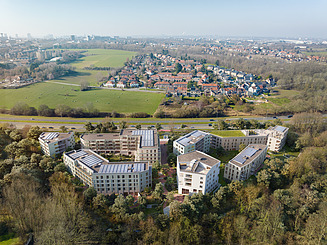
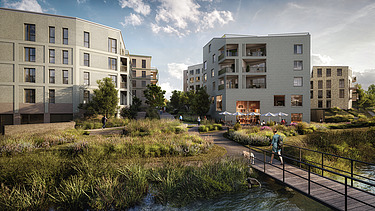
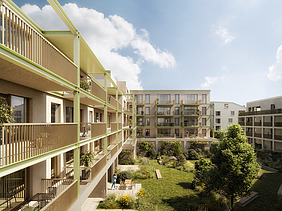
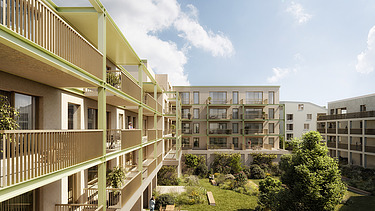
The residential project WOL-U, developed by ION develop different, places a strong emphasis on a future oriented and energy efficient approach. Through the application of geothermal energy, rainwater harvesting and solar panels, overall energy consumption is significantly reduced. In addition, the project features a fully fossil free site, further minimising its climate impact. The low traffic design and the integration of several inner gardens create a green and healthy living environment that encourages social interaction and community building.
Furthermore, the project aims to achieve the DGNB Sustainable Construction Site certificate. This certification assesses the sustainability of the entire construction process, from design to completion, and considers factors such as site organisation, communication, safety and health, responsible resource use and construction quality. STRABAG leads the initiative to implement and ensure compliance with the necessary criteria.
Features
- Built-up area
8.417 m² - Gross floor area
20.340 m³ - Above ground
3-4 storeys - Underground
2 storeys
Construction period
- Complete project
10-2025 t/m Q4-2028 - Structural works
10-2025 t/m Q4-2027 - Finishing works
Q2-2027 t/m Q4-2028
Site regulations
Working hours on site are:
- Monday to Friday
6.30 a.m. to 7 p.m.
-
-
Selected measures in the WOL-U Zaventem project
- Solar panels
Solar panels are installed on STRABAG’s site offices. The electricity generated is used directly to power the site facilities - 5S Method
The project team applies the 5S method. By implementing this approach, the focus is placed on Sorting, Setting in order, Shining, Standardising and Self‑discipline. - Reuse of rainwater on the construction site
During the construction phase, the rainwater tanks are installed early in the structural works. This allows rainwater to be stored in the rainwater or septic tanks during construction. By installing a pump and water connection, this water can then be reused for cleaning equipment and machinery. - Modular Elements
The project is constructed using various modular building systems. It combines timber frame construction with prefabricated concrete components and steel structures. This approach allows tailor‑made elements to be delivered directly to the site, resulting in greater efficiency and reduced waste. - Logistics
A detailed logistics plan has been developed, including clearly defined access routes to the project site. The construction site is equipped with designated loading and unloading zones, located near the tower crane. Transport operators receive clear instructions on which zone they must report to. Heavy‑goods traffic is scheduled at specific times, and deliveries are organised according to a Just‑In‑Time approach.